

Your Guide to Electric Cars at Genesis of Schaumburg
Why Should I Buy a Genesis Electric Car?
Electric cars offer significantly lower fuel costs compared with traditional gas-powered cars. On average, a gallon of gasoline costs about twice as much as the comparable cost to run an electric car.
Lower Operating Costs
- EVs have overall lower fueling costs.
- Most EVs have lower maintenance costs because they have fewer and simpler components and don’t require fluid changes or tune-ups.
Less Pollution
- EVs produce no particulate or smog-causing tailpipe emissions, which are a significant contributing factor in causing asthma and other air pollution-related illnesses.
Unique Features
- EVs are quiet because of their lack of engine noise.
- Most EVs provide instant power and can be fun to drive.
- Charging at home is convenient.
The most common reasons drivers avoid EVs (electric vehicles) include fear that the battery will run out of charge before reaching their destination, also known as “range anxiety,” fear of too few charging stations, long charge times, and initial higher upfront vehicle costs.
Genesis Electric Models
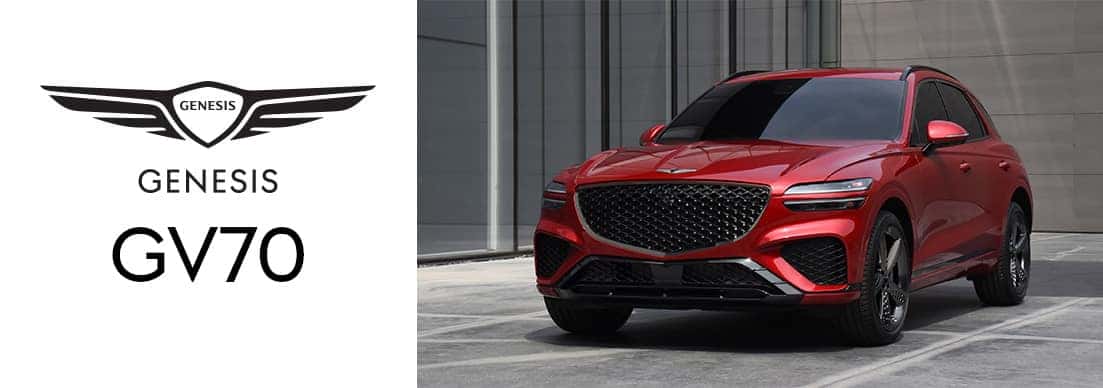
The Electrified Genesis GV70 is a luxury electric SUV model that boasts a dynamic appearance, spacious interior emphasizing the ‘Beauty of White Space,’ new driver-oriented technologies, and powerful vehicle performance. The GV70 is the most intensified embodiment of athleticism in tune with the Genesis design identity – Athletic Elegance. Every line, shape, and material, both inside and out of the GV70, have been carefully crafted, honed, and perfected, resulting in a stunning design.
The addition of a 350kW rapid charger enables the battery to charge from 10% to 80% in just 18 minutes, making the vehicle run for more than 300km (with battery temperature of 25℃). Travel further with up to 400 km of estimated range with a 10.5kW standard charging system that charges the battery completely from 10% in 7 hours and 40 minutes, without range anxiety.

A new era unfolds for luxury EVs with refined design, pure driving emotion, outstanding EV performance like no other, and eco-friendly materials. The Genesis G80 isn’t just an electric car. It’s a new, everyday luxury incorporating futuristic design. The athletic elegance of the Genesis design identity, along with its futuristic design, demonstrates a formidable presence that commands attention as more than just an EV.
The Electrified G80 also provides a convenient and easy experience throughout the charging process. Maximum 800V rapid charging enables the battery to charge from 10% to 80% in just 22 minutes (with battery temperature of 25℃). Also with the 11kW standard charger, you can enjoy stable and comfortable driving up to 427km by charging from 10% to 100% for 9 hours.
Questions to Ask Yourself Before Buying an EV
- How many miles do I drive each day?
- Do I have regular access to charging at home or at work?
- How much would the electricity cost?
- Do I need a faster charging option, or can I charge overnight with a regular outlet?
- How often do I travel beyond the electric range?
- Are there public charging stations in my local area or travel corridors? (The Patrick Promise App offers a map of all charging stations outside of your home and will tell you current battery levels.)
How to Prepare Your Home for an Electric Car?
Switching to an electric vehicle entails much more than new driving habits and a conversation starter with strangers. It’s also a change in your lifestyle. You may not know it but, recharging stations are around every corner, but installing an electric vehicle charging station in your home is best for convenience.
Selecting a Charger: Level 1 or Level 2?
Before you begin, it is important to understand that you will need to familiarize yourself with the two primary levels of vehicle chargers before you make any decisions. This is provided by home-based charging equipment and most public charging stations.
Electric car chargers come in two types: level 1 and level 2. A level 1 charger delivers the standard household current of 110 volts or 120 volts. These come with most plug-in vehicles when they are purchased. You can tell these types of outlets when you see them. They are three-pronged household plugs that are connected to the control box. These cords are normally very short. A longer cord, running 15 to 20 feet, will run from the opposite side of the control box and plugs into the car itself.
Most electric car owners who don’t have a lot of time constraints will opt for the level 1 charger despite the fact that it takes longer to charge. Level 1 chargers will give you three to five miles per charging hour or approximately 24 hours to get a full charge if you connect to a standard 120-volt household outlet.
A level 2 charger is more complex but can offer 25 miles of range per hour of charging, making it a much faster option. The voltage for this charger ranges from 208 to 240 volts. If a homeowner needs more time with their car, then the level 2 charger is the best option. However, you will need to install a complete charging station in your home because a normal outlet just won’t cut it.
Get a free pricing estimate and get expert installation services for EV charging stations and other energy transition technologies by visiting Qmerit.
